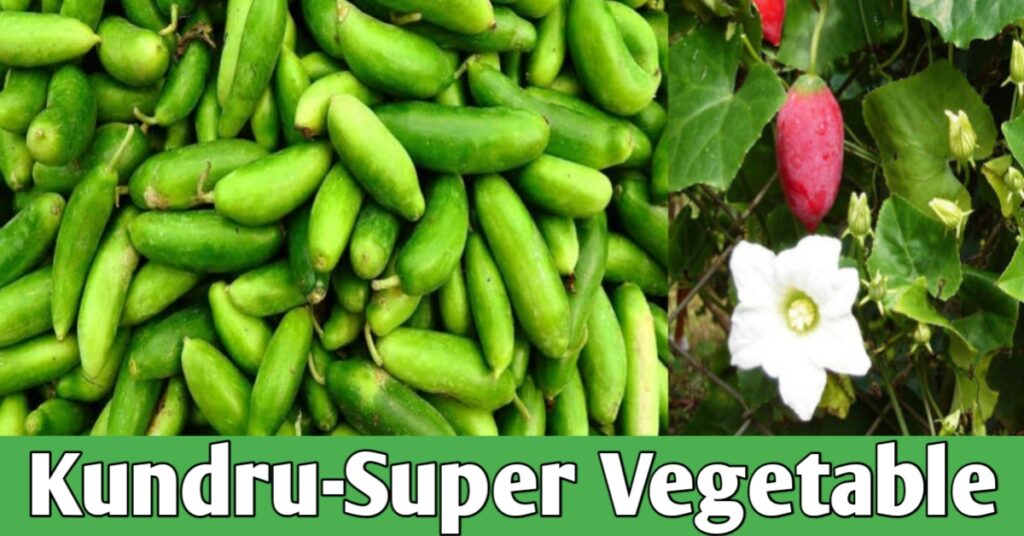
If you ignore the Kundru just for its lack of popularity, then you are missing the amazing health benefits of Kundru. Kundru has different names depending on the pronunciation and region. In some parts of India, it has been recognized by various names, including Kundri, Toruli, Bimba, Tirkol, Trikol, Bimbi, Telakucho, Dondakaya, Kovai, and others.
Kundru (Ivy Gourd)
Kundru, also known as Ivy Gourd, is a vegetable that thrives in tropical and subtropical areas, particularly in South Asia and Africa. The scientific name of Kundru is Coccinia grandis. Typically, it can be found in stores during the months of February and March. This plant is a climbing perennial characterized by its singular tendrils and smooth leaves. It can be prepared in various ways, such as in curries, deep-fried with spices, stuffed with masala and then sautéed, or boiled initially in a pressure cooker before frying. Additionally, it is an ingredient in sambar.
Health benefits of Kundru
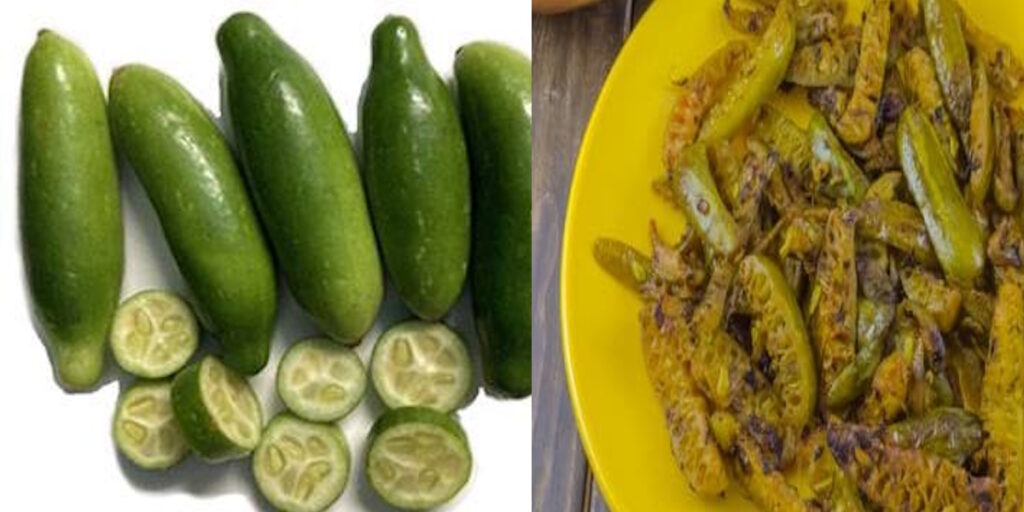
Here are the top 7 health benefits of Kundru
Manages constipation
If you are suffering from constipation and want to treat it naturally, then add Kundru to your daily diet. Kundru has a laxative property and is a great source of dietary fiber. Dietary fiber helps form the bowel, and a laxative makes it easy to move the bowel smoothly through the digestive tract.
Controls blood sugar
Kundru includes components such as flavonoids, beta-sitosterol, and glucose-6-phosphatase. The latter plays a role in limiting the liver’s sugar production in the bloodstream. Conversely, flavonoids and beta-sitosterol function as stimulators for insulin. Additionally, Kundru is rich in fiber, which means that eating it does not elevate blood sugar levels.
Helps weight loss
100 grams of Kundru consists of roughly 90 grams of water. The rest of its composition is largely rich in fiber. As a result, consuming a bowl of Kundru curry helps achieve satiety and control appetite. Every 100 grams of Kundru curry provides only 20 kilocalories, indicating that a nutritious Kundru dish is an ideal guide for a weight-loss strategy.
Improves skin health
Kundru has a detoxification property in it. Consuming Kundru in daily meals improves blood purification. High fiber content regulates regular bowel movement. Hence chances of acne and skin rashes become low. In some region Kundru leaf juice is directly applied to the affected area of skin, and it works well.
Prevents cancer
Based on the Avicenna Journal of Phytomedicine published in 2017, Ivy gourd possesses properties that may help combat cancer. If you enjoy reading, you can find the research article here. Kundru contains antioxidants like beta-carotene and vitamin C, which are highly effective in battling cancer.
Provides essential nutrients
Ivy gourd is a highly nutritious vegetable. Consuming 100 grams of kundru in a healthy way means you are ingesting 90 grams to 93 grams of water. Below is a brief table outlining the nutritional information for 100 grams of kundru.
| Energy | 18-24 kcal |
| Carbohydrates | 3.4 – 4.6 g |
| Dietary Fiber | 1.5 – 1.7 g |
| Fat | 0.1 – 0.2 g |
| Potassium | 200–210 mg |
| Iron | 0.7 – 0.9 mg |
| Vitamin C | 10 – 18 mg |
| Vitamin A | 200 IU |
| Calcium | 25 mg |
| Magnesium | 15–20 mg |
Boosts lever health
One of the greatest advantages of Kundru for health is its capacity to enhance liver function. Homemade juice from Kundru leaves is used to treat jaundice. Kundru possesses properties that protect the liver; regular consumption aids in the recovery from liver damage.
How to eat Kundru for the best benefits?
Do not cook the kundru for too long. Simple non-spicy curry or light fry would be fine. The cooking process should ensure that it becomes soft yet retains its form.
Precautions and potential side effects
Ivy Gourd is usually considered safe. However, if you rely on insulin, it’s best to avoid Ivy Gourd since it can decrease blood sugar levels quickly. Kidney patients may exclude kundru due to high potassium content.
FAQs
Is it safe to eat raw Kundru?
No, it is not recommended. It may upset the stomach.
How is it for pregnant or breastfeeding women?
No such research has been conducted yet. Consult your health provider.
Does it irritate the skin?
After eating, some people may feel irritation on the skin. If you feel so, then avoid.
The content provided on this blog serves only as general information and should not be considered as professional guidance. Any steps you take, such as traveling, wellness recommendations, fitness suggestions, or treatments, based on the details available on this site, are entirely at your own risk. For further information, please check the Disclaimer page.